COMPLETED 52-LEVEL HIGH-RISE PROJECT · DUBAI

Binghatti Hill View — G+52

At fifty-two levels, stone consistency is no longer just a site-supervision issue — it becomes a long-term system for benchmarks, batches, exceptions and feedback.

We carried out the recorded marble and stone project package for Binghatti Hill View, G+52 in Dubai. The archive gives us one of the tallest explicit building configurations in the project register. That makes this page about sustained high-rise governance: keeping the same finish logic through fifty-two levels, managing material and crew variation, separating special conditions, staging vertical logistics and using periodic comparison so quality does not slowly change as the tower rises.

G+52Recorded ScaleExplicit building configuration
DubaiLocationAs recorded in project archive
Not stated in supplied registerProject PartnerNo separate contractor / partner listed on this archive row
CompletedStatusHistorical completed-project register
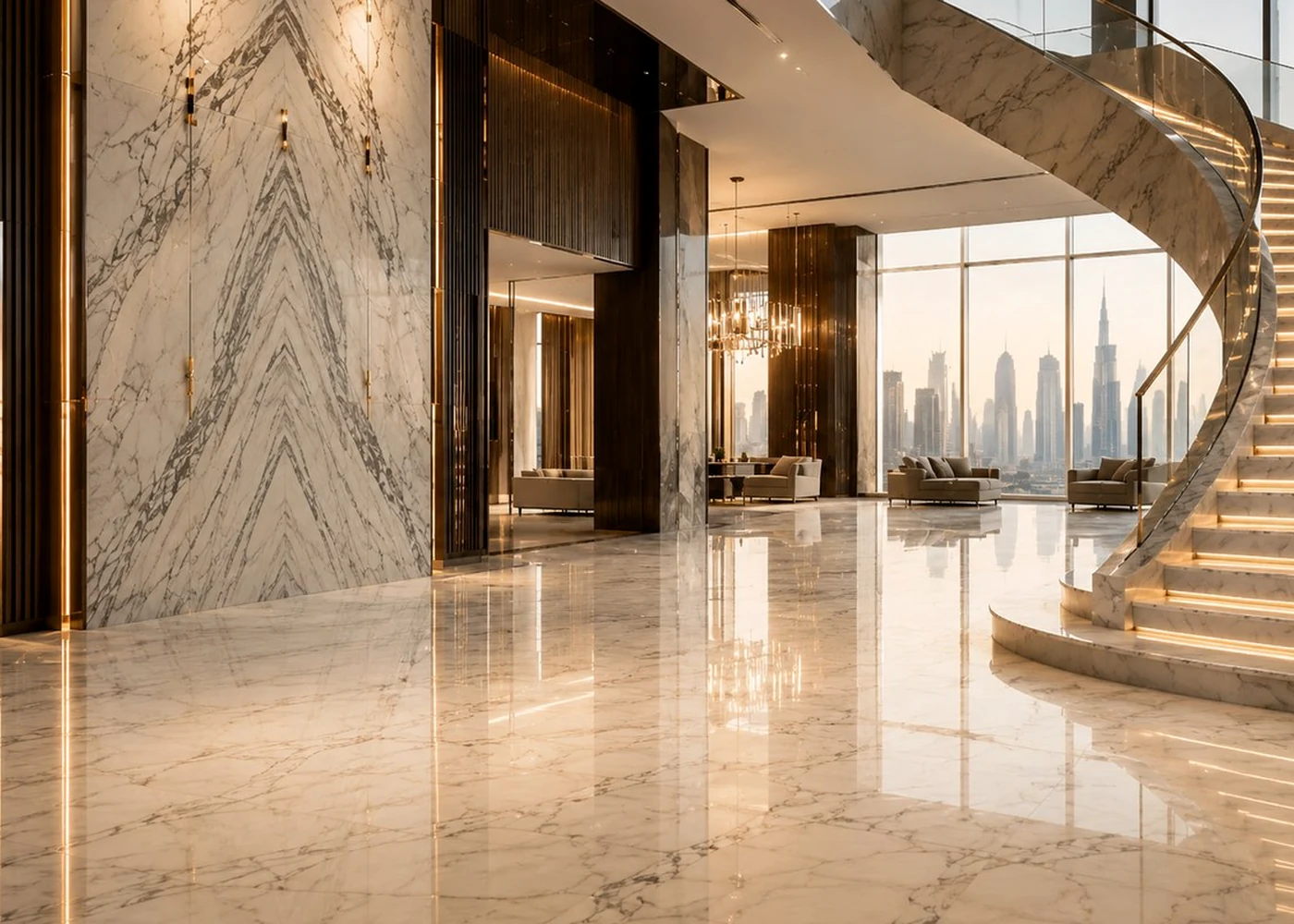
Temporary representative project image for Binghatti Hill View — G+52 TEMPORARY REPRESENTATIVE IMAGE
Project partnerNot stated in supplied register
ProjectBinghatti Hill View — G+52
Recorded locationDubai
Case study URL/projects/binghatti-hill-view-g52/

WHAT WE DELIVERED

A completed G+52 project where the stone standard had to survive a very long vertical delivery cycle.

What we did on this project

The archive records Binghatti Hill View as a G+52 tower project in Dubai.

At fifty-two levels, quality drift can come from many sources: new material batches, different work crews, updated site conditions, special floors or simply the passage of time between the reference work and the later floors.

We therefore position this project around sustained governance. A benchmark is documented, reviewed periodically, challenged by real floor conditions and revalidated before a slow variation becomes accepted as normal.
THE REAL DELIVERY CHALLENGE

Keep the fiftieth floor connected to the same stone standard that governed the early tower floors.

The longer the programme, the more opportunities there are for gradual variation in finish, joints, edges, material tone and interface decisions.

01

Keep the fiftieth floor connected to the same stone standard that governed the early tower floors.

The longer the programme, the more opportunities there are for gradual variation in finish, joints, edges, material tone and interface decisions.

02

Use periodic benchmark recalibration, floor-group comparison and explicit exception control throughout the tower.

The quality system is designed to survive changes in time, crew and material batch rather than depending on one initial approval.

03

Completed stone experience through a G+52 high-rise programme.

The project adds one of the longest explicit vertical sequences in our archive and demonstrates sustained high-rise quality governance.

PROJECT DELIVERY CONTROLS

The controls required when the project standard must remain stable for fifty-two levels.

These controls are tailored to the recorded project context and are not presented as a reconstructed historical BOQ.

01

Benchmark documentation

Keep the recurring finish, joint and edge requirements clear and reviewable.

02

Periodic recalibration

Revisit the approved reference at planned floor intervals.

03

Crew / batch consistency checks

Watch for changes introduced by different teams or material deliveries.

04

Special-floor segregation

Keep unique conditions from becoming accidental typical details.

05

Vertical logistics sequencing

Match material movement to actual floor release and protection capacity.

06

Trend-based quality review

Look for slow changes over time, not only one-off defects.

HOW WE APPROACHED THE WORK

Govern the tower over time, not only floor by floor.

The original historical method statement is not available; this sequence reflects practical project-delivery logic appropriate to the verified record.

01

Document the recurring standard

Make the approved detail clear enough to survive a long programme.

02

Release controlled floor groups

Keep installation and material movement manageable.

03

Inspect against the benchmark

Compare each group for drift.

04

Recalibrate when needed

Refresh the reference before quality changes become normalized.

05

Close exceptions before they repeat

Keep special conditions isolated and traceable.

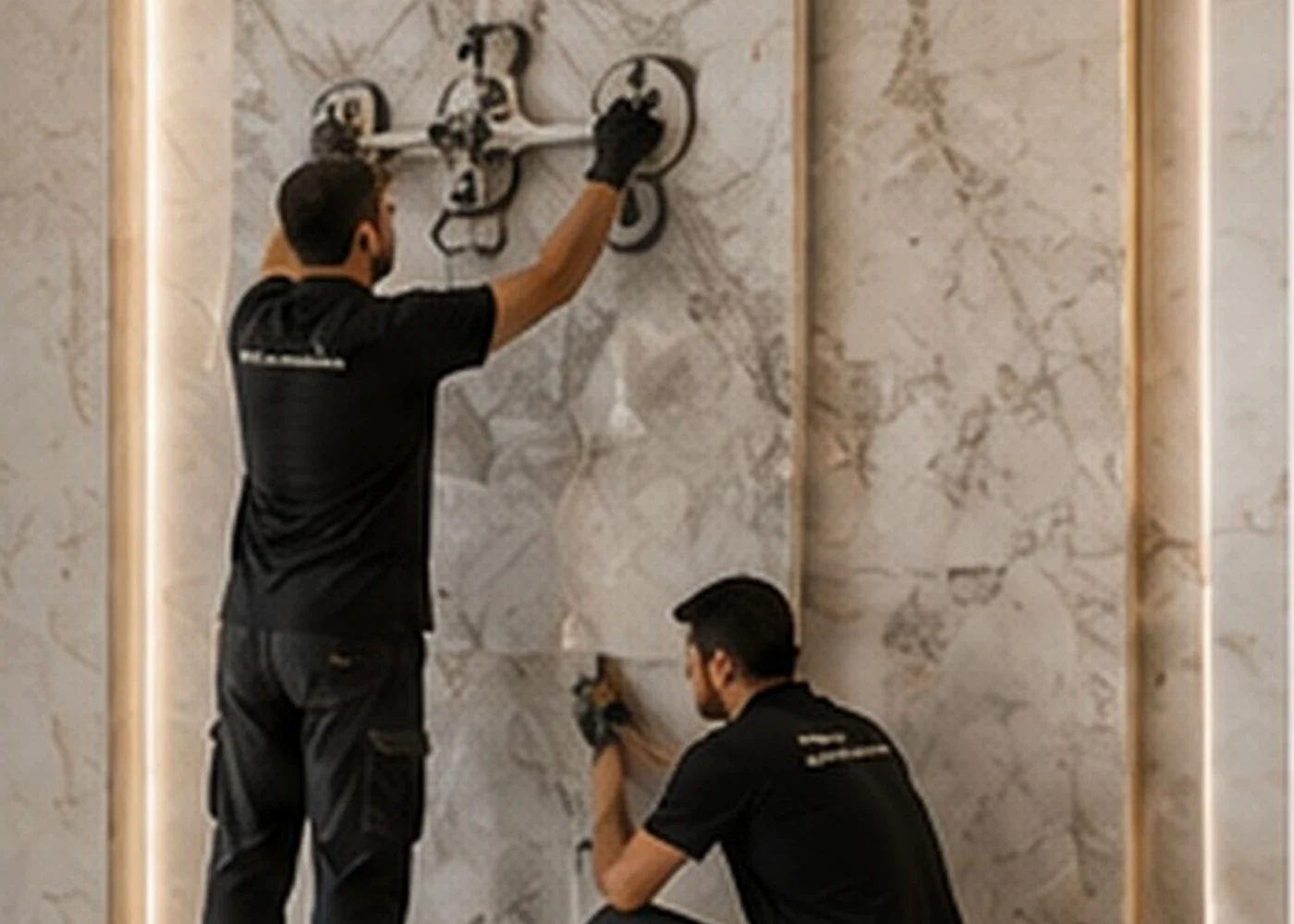
Temporary representative experience image for Binghatti Hill View — G+52

WHAT THIS PROJECT ADDS TO OUR EXPERIENCE

A fifty-two-level project proves whether the quality system can survive time, not only whether the first floors were installed well.

Experience that carries into the next project

Binghatti Hill View G+52 adds sustained vertical governance, periodic recalibration and long-programme consistency to our completed portfolio.

EXPERIENCE WE CARRY FORWARD

What we carry forward from one of our longest recorded tower sequences.

These points explain why this completed project matters as experience rather than simply listing it as another completed job.

01

Long-programme governance

Keeping a quality system active over a very long delivery period.

02

Periodic recalibration

Refreshing the benchmark before gradual drift becomes normalized.

03

Crew / batch consistency

Watching for changes introduced by people and material over time.

04

Exception isolation

Preventing special floors from contaminating the typical-floor standard.

PLANNING A SIMILAR PROJECT?

Planning stone work for a very tall tower with a long programme?

Send the typical-floor details, material schedule, special-floor matrix and vertical sequence so benchmark reviews, batch control and exception handling can be planned from the start.