COMPLETED SECOND-PHASE VILLA PROGRAMME · DUBAI

DAMAC Phase 2 — 270 Villas

A second phase should not simply repeat Phase 1 — it should carry forward proven standards while removing the friction the first phase exposed.

We carried out the recorded marble and stone project package for DAMAC Phase 2 across 270 villas in Dubai. Because the archive separately records DAMAC Phase 1 at 1,850 villas, this case study focuses on something more useful than another large-unit-count story: phase-to-phase learning. The quality benchmark, repeat details and coordination logic can carry forward, but Phase 2 still needs its own site release, quantities, villa conditions and production sequencing.

270VillasExplicitly recorded project scale
DubaiLocationAs recorded in project archive
Not stated in supplied registerProject PartnerNo separate contractor / partner listed on this archive row
CompletedStatusHistorical completed-project register
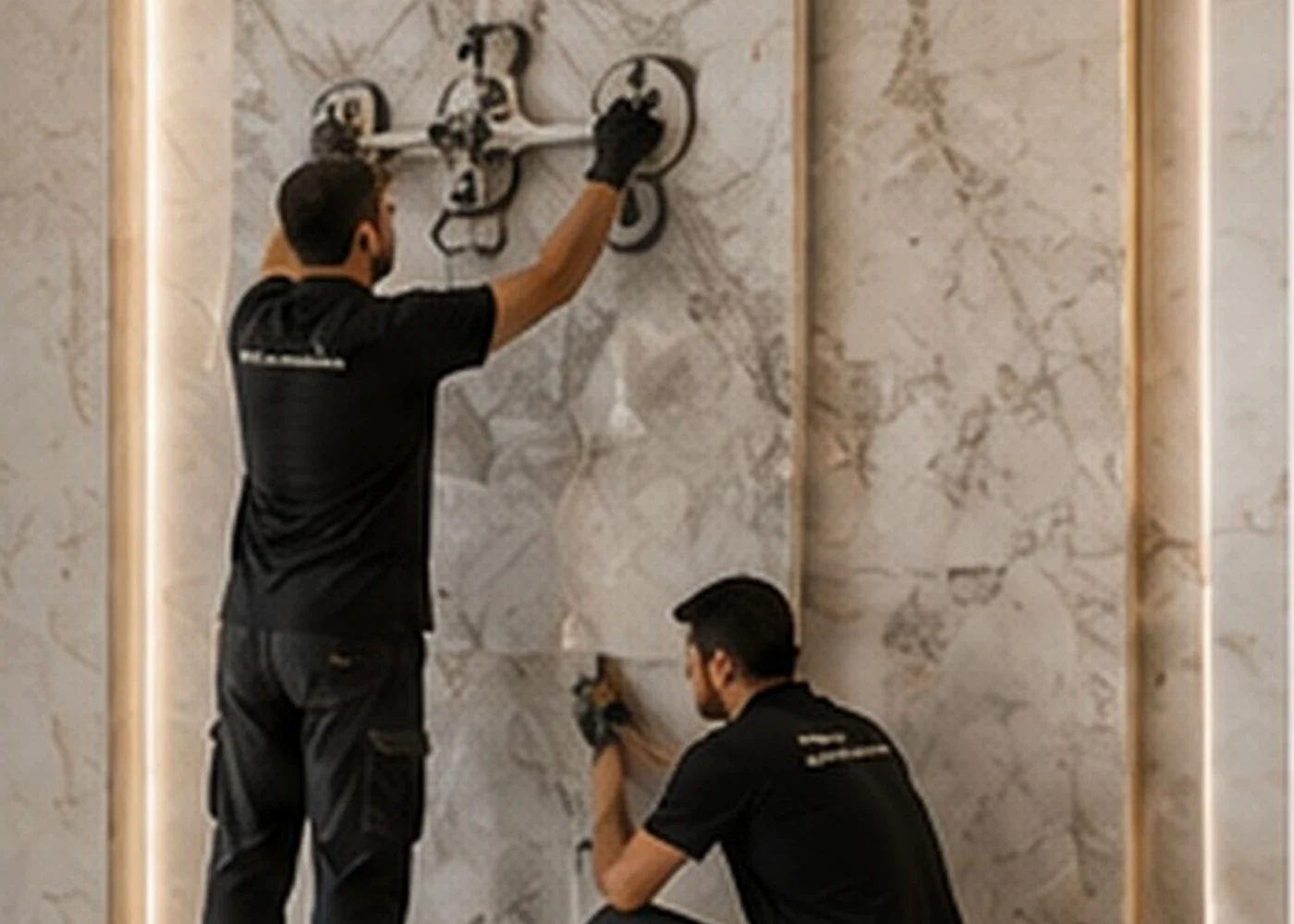
Temporary representative project image for DAMAC Phase 2 — 270 Villas TEMPORARY REPRESENTATIVE IMAGE
Project partnerNot stated in supplied register
ProjectDAMAC Phase 2 — 270 Villas
Recorded locationDubai
Case study URL/projects/damac-phase-2-270-villas/

WHAT WE DELIVERED

A completed 270-villa second phase where previous experience could improve the next programme — without replacing verification.

What we did on this project

The archive records DAMAC Phase 2 as a separate 270-villa project in Dubai.

The useful experience story is not simply that we repeated a large villa programme. A second phase creates an opportunity to carry forward proven detail standards, production logic and quality checks while correcting inefficiencies identified in the earlier phase.

We therefore position this project around phase-to-phase control: preserve the benchmark where it is still valid, re-check the actual Phase 2 conditions, refine batch release and use comparison against earlier experience to improve consistency.
THE REAL DELIVERY CHALLENGE

Carry forward Phase 1 experience without assuming Phase 2 is physically or operationally identical.

A previous phase can become dangerous if familiarity encourages the team to skip verification of changed drawings, site conditions or quantities.

01

Carry forward Phase 1 experience without assuming Phase 2 is physically or operationally identical.

A previous phase can become dangerous if familiarity encourages the team to skip verification of changed drawings, site conditions or quantities.

02

Reuse proven standards, revalidate the new phase and deliberately update anything that changed.

The project-specific approach treats Phase 1 as a quality reference and learning source, not as a substitute for Phase 2 measurement and release control.

03

Completed second-phase villa programme experience with a strong lessons-learned loop.

The project adds phase-to-phase improvement, repeat-client continuity and controlled revalidation to our residential programme experience.

PROJECT DELIVERY CONTROLS

The controls that turn previous-phase experience into better second-phase execution.

These controls are tailored to the recorded project context and are not presented as a reconstructed historical BOQ.

01

Benchmark carry-forward

Reuse proven finish, joint and edge standards where they remain valid.

02

Phase revalidation

Check new drawings, villa conditions and quantities instead of assuming Phase 1 applies unchanged.

03

Lessons-learned update

Identify previous recurring issues and remove them from the new release logic.

04

Batch-plan refinement

Improve fabrication / delivery grouping based on earlier programme experience.

05

Villa-level verification

Keep individual site checks despite improved familiarity.

06

Phase comparison

Review Phase 2 quality against the established project standard and prior experience.

HOW WE APPROACHED THE WORK

Carry forward the standard, update the process, and verify the new phase independently.

The original historical method statement is not available; this sequence reflects practical project-delivery logic appropriate to the verified record.

01

Review Phase 1 lessons

Separate useful standards from problems that should not be repeated.

02

Validate Phase 2 conditions

Confirm the new phase drawings, quantities and work-front logic.

03

Update benchmarks / batch rules

Refine repeat-detail and production controls.

04

Execute in controlled villa groups

Match fabrication and delivery to actual readiness.

05

Compare and close progressively

Use phase experience to improve consistency, not reduce inspection.

Temporary representative experience image for DAMAC Phase 2 — 270 Villas

WHAT THIS PROJECT ADDS TO OUR EXPERIENCE

The value of a second phase is not repetition — it is better repetition.

Experience that carries into the next project

DAMAC Phase 2 adds a documented second-phase villa programme where experience could be carried forward and improved rather than restarted from zero.

EXPERIENCE WE CARRY FORWARD

What we carry forward from phase-to-phase residential delivery.

These points explain why this completed project matters as experience rather than simply listing it as another completed job.

01

Lessons-learned transfer

Turning previous project experience into specific changes for the next phase.

02

Revalidation discipline

Avoiding the trap of assuming familiar work is identical work.

03

Refined batch planning

Improving production and release around known programme behavior.

04

Quality continuity

Keeping the established finish standard while making the process more efficient.

PLANNING A SIMILAR PROJECT?

Planning a second phase or extension of an existing villa programme?

Send the prior-phase standards, updated drawings, changed details, villa matrix and new release sequence so previous experience can improve the new phase without creating assumptions.