COMPLETED HIGH-RISE RESIDENTIAL PROJECT · JVC, DUBAI

Binghatti Apex Tower — JVC

A tower only benefits from repetition when the reference is stable; otherwise the same small interface problem can be copied floor after floor.

We carried out the recorded marble and stone project package for Binghatti Apex Tower in JVC, Dubai. The archive confirms the project record but not the detailed BOQ or separate contractor. This page is intentionally different from Binghatti Royale: it focuses on repeat-geometry risk — how floor-to-floor assumptions, fabricated interfaces and late adjustments can create systemic problems unless each release is checked against a controlled benchmark.

JVCProject AreaNamed JVC tower project
DubaiLocationAs recorded in archive
Not stated in supplied registerProject PartnerNo separate contractor / partner listed on this archive row
CompletedStatusHistorical completed-project register
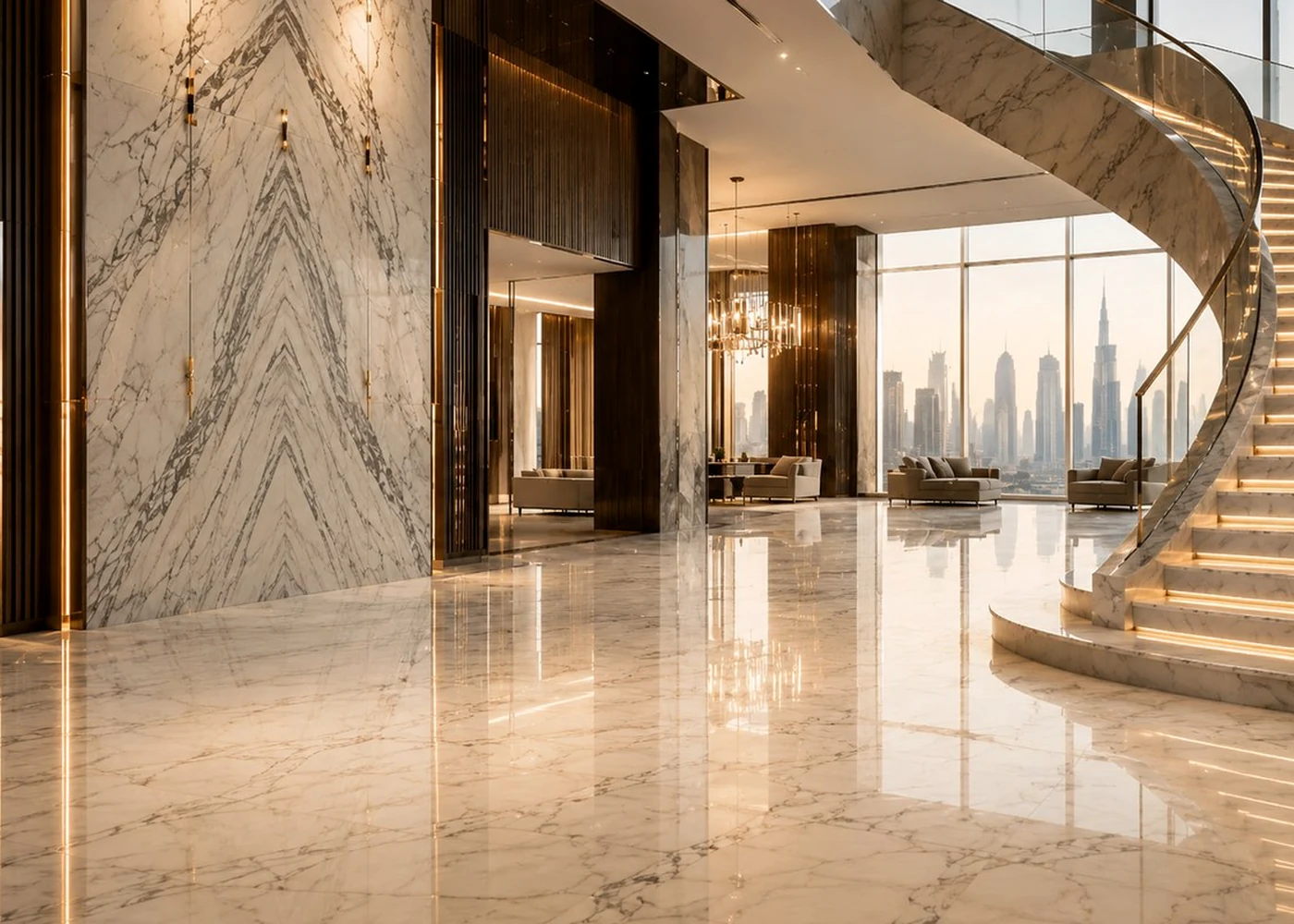
Temporary representative image for Binghatti Apex Tower — JVC TEMPORARY REPRESENTATIVE IMAGE
Project partnerNot stated in supplied register
ProjectBinghatti Apex Tower, JVC
Recorded locationDubai
Case study URL/projects/binghatti-apex-jvc/

WHAT WE DELIVERED

A completed JVC tower project where the key risk was not repetition itself, but repeating the wrong condition.

What we did on this project

The archive records Binghatti Apex Tower in JVC as a completed project.

High-rise repetition creates efficiency only after the reference is trustworthy. If a threshold, wall return, vanity interface or visible edge is slightly wrong on one floor and then copied without verification, the project does not gain efficiency — it multiplies the error.

We therefore frame this case study around repeat-geometry control: establish the benchmark, verify the next work front, separate standard pieces from dimension-sensitive pieces and close issues before the next floor group inherits them.
THE REAL DELIVERY CHALLENGE

Prevent a small floor-level discrepancy from becoming a repeated tower-wide problem.

Typical drawings encourage repetition, but actual walls, levels and adjoining finishes can drift enough to affect fabricated or highly visible stone details.

01

Prevent a small floor-level discrepancy from becoming a repeated tower-wide problem.

Typical drawings encourage repetition, but actual walls, levels and adjoining finishes can drift enough to affect fabricated or highly visible stone details.

02

Repeat the approved logic, not unverified dimensions.

Standard pieces can follow the benchmark while dimension-sensitive interfaces are checked against the real floor before final release.

03

Completed JVC tower experience with a strong repeat-geometry control story.

The project adds systematic floor-by-floor verification and change control to our residential high-rise portfolio.

PROJECT DELIVERY CONTROLS

The controls that stop one local deviation from spreading through a tower.

These controls are tailored to the recorded project context and are not presented as a reconstructed historical BOQ.

01

Benchmark geometry

Define the recurring joint, edge and level logic on an approved reference floor or zone.

02

Dimension-sensitive segregation

Separate truly standard pieces from components that depend on final site geometry.

03

Floor verification

Check the next released floor before assuming benchmark dimensions still fit.

04

Change control

Review local site adjustments before repeating them on later floors.

05

Vertical batch release

Prepare material in floor groups that match actual site readiness.

06

Progressive snag closure

Resolve recurring issues before the next floor group is installed.

HOW WE APPROACHED THE WORK

Repeat the standard deliberately and stop any deviation before it becomes systemic.

The original historical method statement is not available; this sequence reflects practical control logic appropriate to the verified project record.

01

Set the reference floor logic

Define what should genuinely repeat.

02

Verify the next work front

Check actual levels, walls and interface geometry.

03

Release standard and custom pieces separately

Do not force dimension-sensitive components into the repeat batch.

04

Install and compare

Check the finished floor against the reference.

05

Close the deviation before repeating

Resolve local issues before the next floor group inherits them.

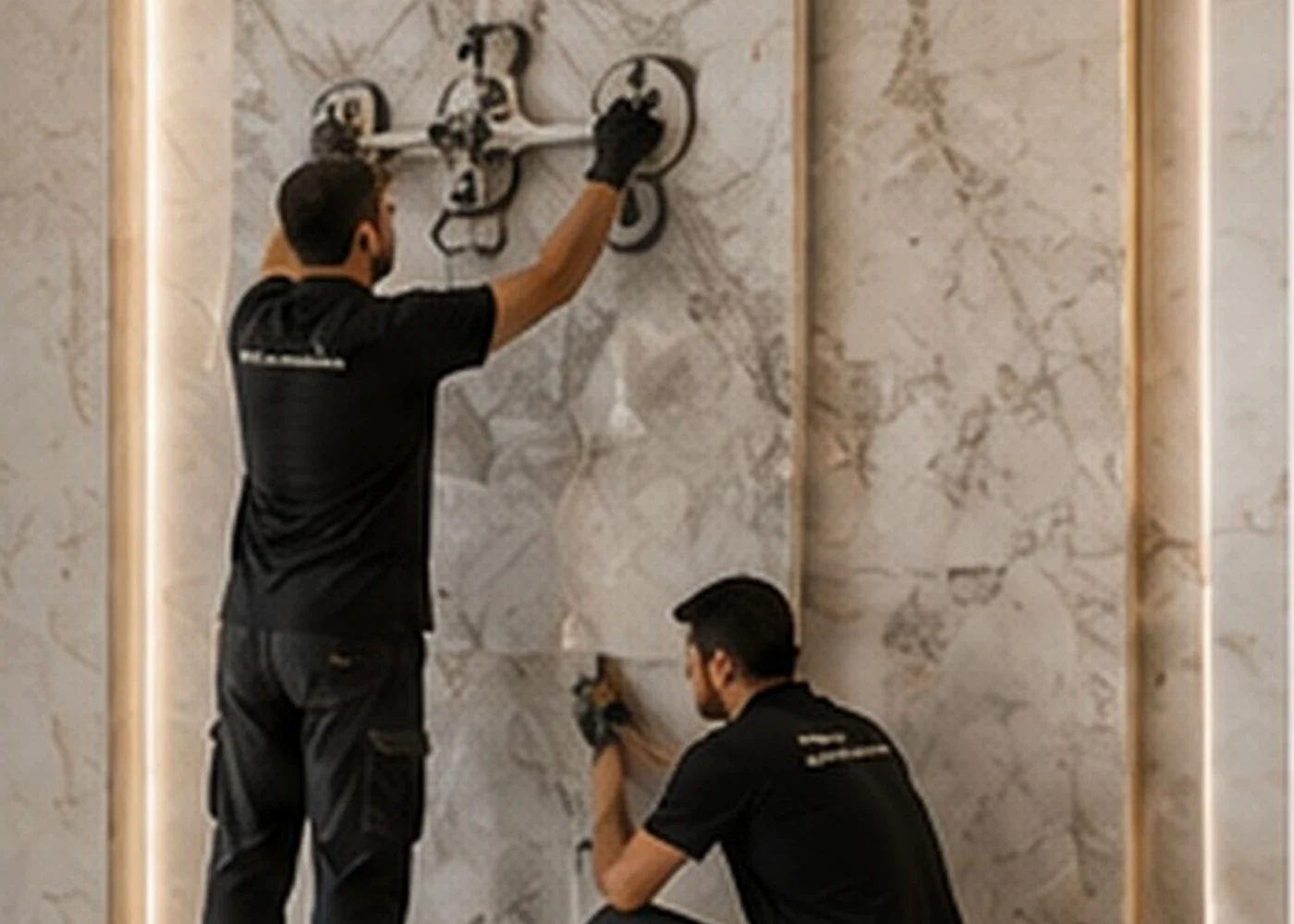
Temporary representative experience image for Binghatti Apex Tower — JVC

WHAT THIS PROJECT ADDS TO OUR EXPERIENCE

The real value of a typical floor is not that it repeats — it is that the repeat is controlled.

Experience that carries into the next project

Binghatti Apex adds systematic floor-verification and repeat-geometry discipline to our JVC tower experience.

EXPERIENCE WE CARRY FORWARD

What we carry forward from a repetition-heavy tower project.

These points explain why this completed project matters as experience rather than simply listing it as another completed job.

01

Reference-floor thinking

Separating the approved logic from the unverified assumption that every floor is identical.

02

Dimension-sensitive segregation

Keeping custom-fit pieces out of uncontrolled repeat batches.

03

Change control

Stopping a local site adjustment from automatically becoming the new standard.

04

Progressive closure

Resolving recurring issues while later floors are still ahead of the work.

PLANNING A SIMILAR PROJECT?

Planning stone work for a tower with repeated floors and dimension-sensitive details?

Send the typical-floor drawings, special interfaces, stone schedule and release sequence so standard pieces can be separated from details that still need final site verification.